
Want To Be Seen As The Expert? Use Your Blog To Build Authority
May 15, 2026
Authority isn’t about being the loudest voice online. It’s about being the person people turn to and trust when they have a specific problem.
Your blog is one of the best tools you have for that. When someone can search a question, land on your site, and think “This person really understands what I’m dealing with,” you’re building real authority.
In this post, you’ll learn how to:
- Choose the topics you want to be known for
- Turn your expertise into clear, structured blog content
- Use simple SEO and internal linking so the right people can actually find and follow your work

Step 1: Decide What You Want To Be Known For
Authority doesn’t come from writing about everything. It comes from showing up consistently around a small set of core themes.
Start with two questions:
- “If someone recommended me to a friend, what would I want them to say I’m great at?”
- “What problems do I solve again and again for my clients or customers?”
Group your answers into 3–5 central topics. These become the pillars of your authority.
Examples:
- A blogging & SEO mentor:
- “SEO for bloggers”
- “Keyword research made simple”
- “Content planning and consistency”
- A health coach:
- “Stress and burnout”
- “Blood sugar balance”
- “Simple meal planning”
These are your lanes. Your blog’s job is to stay in these lanes enough that people (and search engines) start to recognize you for them.
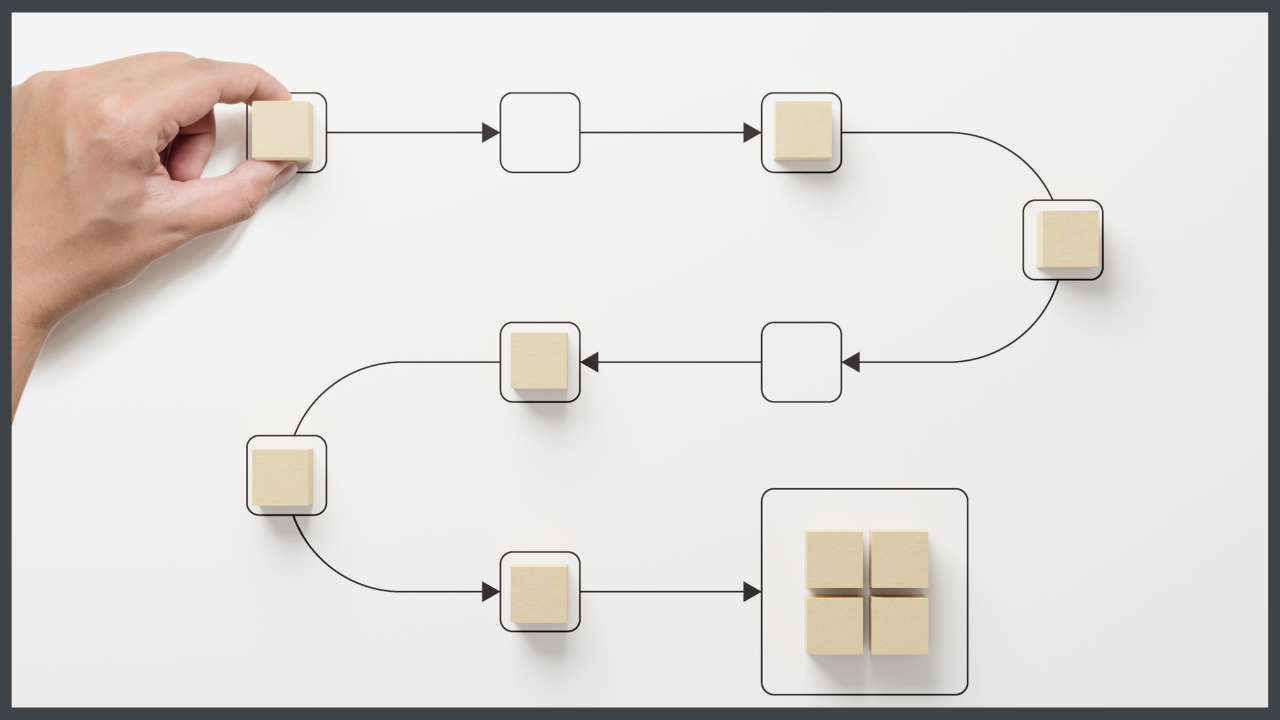
Step 2: Share Frameworks, Not Just Random Tips
Tips are everywhere. Authority grows when you show that you have a clear way of thinking about your topic.
Instead of only posting quick tips, write posts that share:
- Your frameworks or step-by-step process
- Your philosophy about what works and what doesn’t
- “Before and after” breakdowns or case studies that show your methods in action
Examples of authority-building posts:
- “My 4-Step System For Turning Blog Posts Into Search Traffic”
- “How I Plan A Month Of Blog Content In 60 Minutes”
- “Behind The Scenes: Optimizing One Blog Post For SEO”
These kinds of posts say:
“I don’t just know facts. I have a repeatable, thoughtful approach that works.”

Step 3: Use Internal Links To Show The Depth Of Your Expertise
Once you have several posts around your central topics, you can start weaving them together with internal links.
Within each authority-building post:
- Link to supporting how-to posts that go deeper on subtopics
- Link to stories, examples, or case studies that make your ideas concrete
- Add a short “Next, read this…” section at the end with 2–3 related posts
This does two important things:
For readers:
It creates a “rabbit hole” of content that keeps them on your site and shows the depth of your expertise.
For search engines:
It clarifies how your content is related, helping them understand that you’re a strong source on these topics.
Over time, this cluster of related, well-linked posts looks like authority from every angle.

Step 4: Let SEO Help The Right People Discover Your Authority
Authority doesn’t matter if no one can find you.
You don’t need to obsess over keywords, but you do want to be intentional.
A simple mindset shift helps: think of keywords as the questions people are asking search engines about your topic.
For each core topic, list out questions your ideal reader might type:
- “how to get more people to find my blog”
- “simple SEO for bloggers”
- “how to pick blog topics that bring traffic”
Those questions become the basis for your keyword choices.
Then, for each post:
- Use a clear, specific title that matches one main question
- Mention that question (or close phrasing) in your intro
- Use related phrases in your subheadings where it makes sense
Now your authority-building content is not just deep and helpful, it’s also findable by people already searching for what you talk about.

Step 5: Be Consistent Enough To Be Recognized
You don’t need to publish constantly. You do need to publish consistently.
A realistic authority-building rhythm might be:
- 1 high-quality, keyword-aware blog post every 2–4 weeks, focused on your main topics
- Periodically updating older posts with:
- Clearer structure
- Better examples
- Stronger internal links
Over time, this creates a body of work that says:
- “I’m still here.”
- “I keep showing up to help solve this specific problem.”
- “You can trust me to guide you on this topic.”
That’s authority.
Your Next Step: Make It Easy For People To Find The Work You’re Proud Of
If you want your blog to build authority, two things need to happen:
1. You consistently publish thoughtful, topic-focused content.
2. People can actually find that content when they’re searching for help.
To make that second part simpler, you can start by tightening up your keyword choices so your blog is more findable.
That’s what my free guide is designed to help with:
“Quickly Find Your Perfect Keywords – The Simple and Easy Way To Be Findable.”
Inside, you’ll:
- Look at your expertise and pull out the real questions your ideal readers are asking
- Turn those questions into a short list of keyword phrases
- Get a simple, clear starting point for making your authority-building posts easier to discover
Once you’ve done that, your next step is to put those keywords to work inside a focused content plan.
If you want deeper support with that, my SEO for Blogging Workshop walks you through:
- Choosing and refining your core topics
- Structuring posts that both demonstrate your authority and show up in search
- Building a simple, sustainable plan so your blog becomes a steady authority-builder for your business
Start with the free guide to sharpen what people can find you for. Then, when you’re ready to turn that clarity into a full blog strategy, the SEO for Blogging Workshop is there to help you put it all into practice.
Author